SEBIV / Die-Cut Rarity File

The Most Overlooked
Rarity Story
in Pokémon

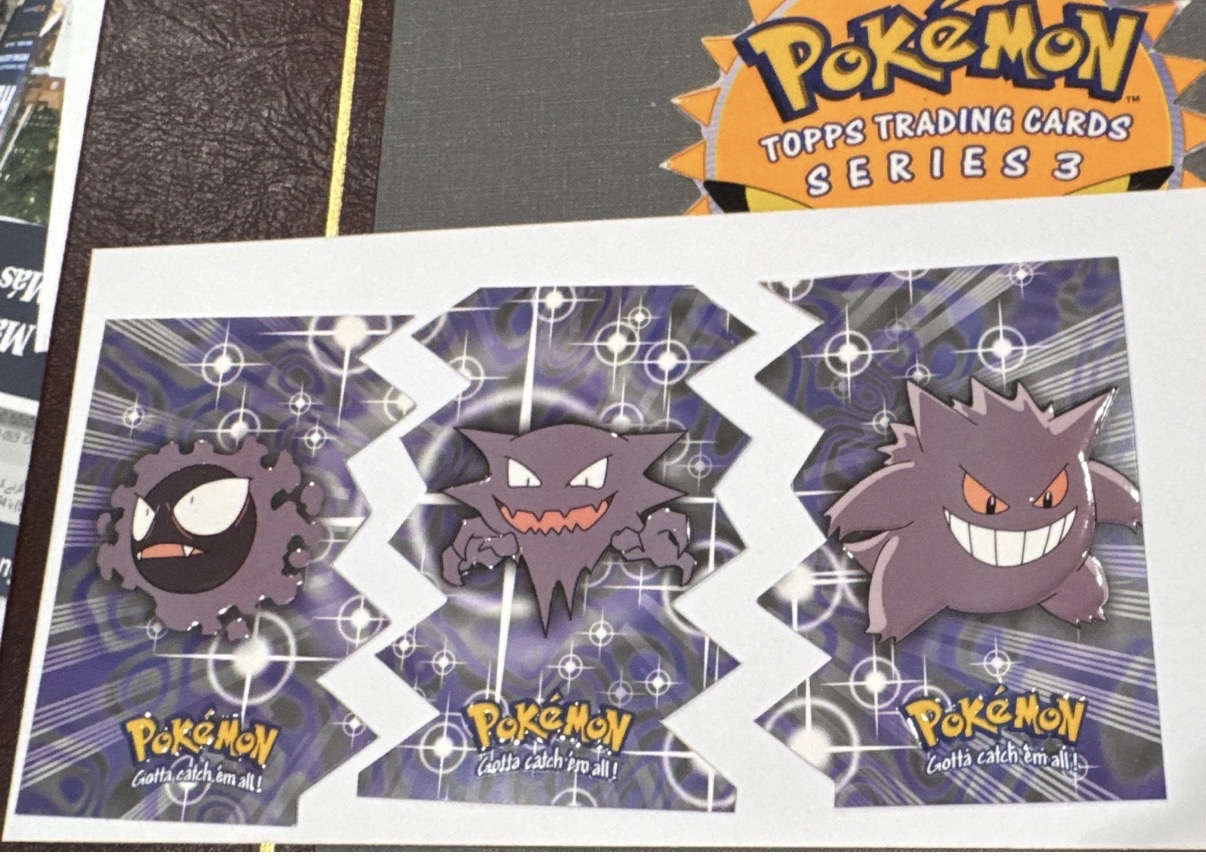
Topps Series 3 Gastly, Haunter, and Gengar die-cut evolution line. A public rarity thesis built around fragile design, scarce pulls, and survival over 26 years.

Gastly, Haunter, and Gengar Topps Series 3 die-cut evolution line, all three cards together
The Set

Before the thesis, the checklist already tells you this was not a normal insert.

In 2000, Topps released Pokémon Trading Cards Series 3. The main set had 72 cards. The chase cards were where it got unusual.

2000
Year manufactured by Topps
72
Main set cards
27
Bonus chase cards
12
Die-cut embossed Evolution cards

The Gastly, Haunter, and Gengar line sits inside those 12. EV04, EV05, EV06. One of four three-stage evolutionary lines in the die-cut chase run.

Source: Bulbapedia, "Pokémon Trading Cards series 3."

The Cards

Not cards. A three-piece evolution object.

They were designed to fit together, which means they were designed to be handled. Every time someone connected them, they introduced wear.

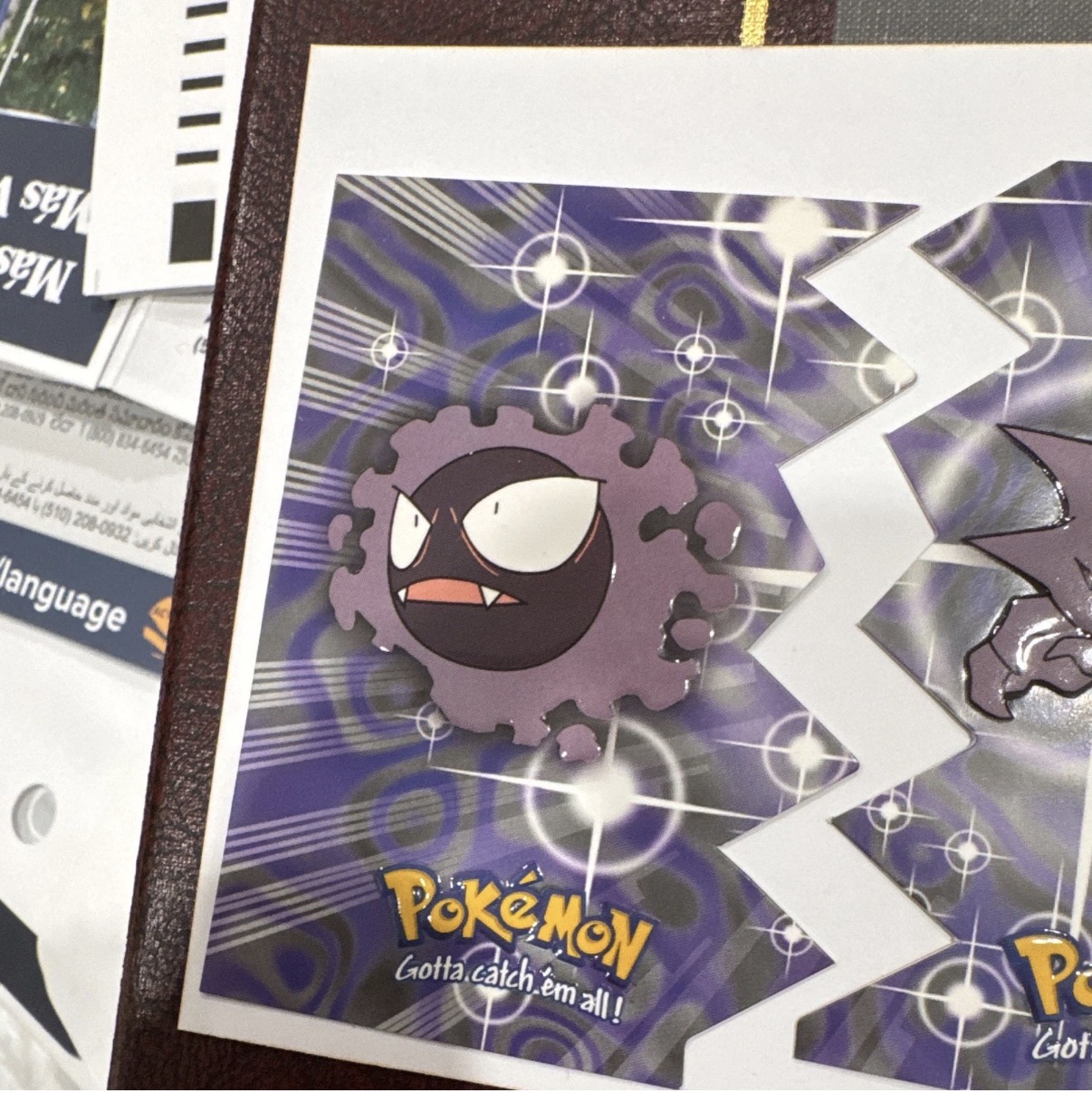
Gastly EV04 Topps Series 3 die-cut embossed card
EV04
Gastly
22 graded — PSA population
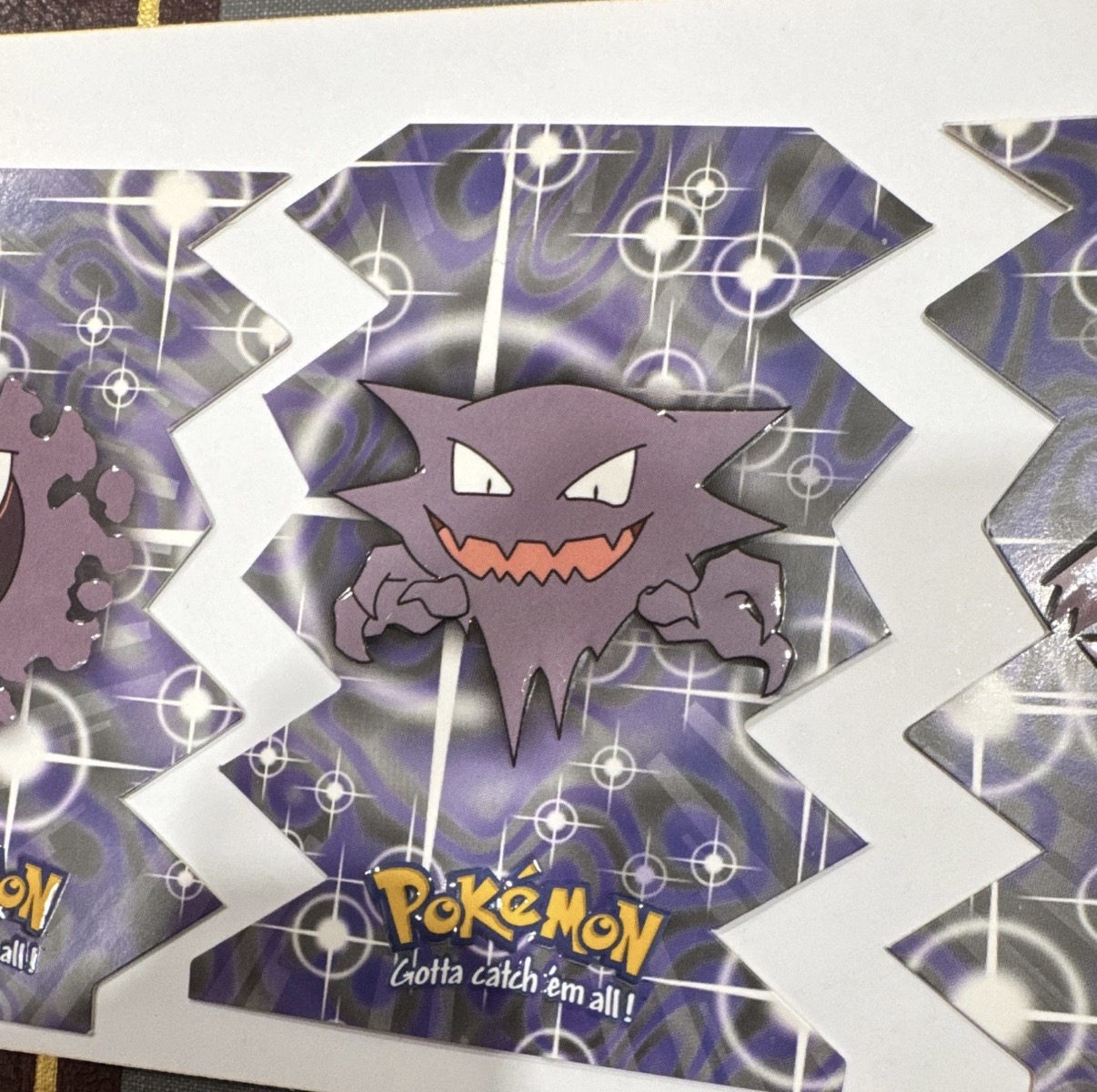
Haunter EV05 Topps Series 3 die-cut embossed card
EV05
Haunter
21 graded — PSA population
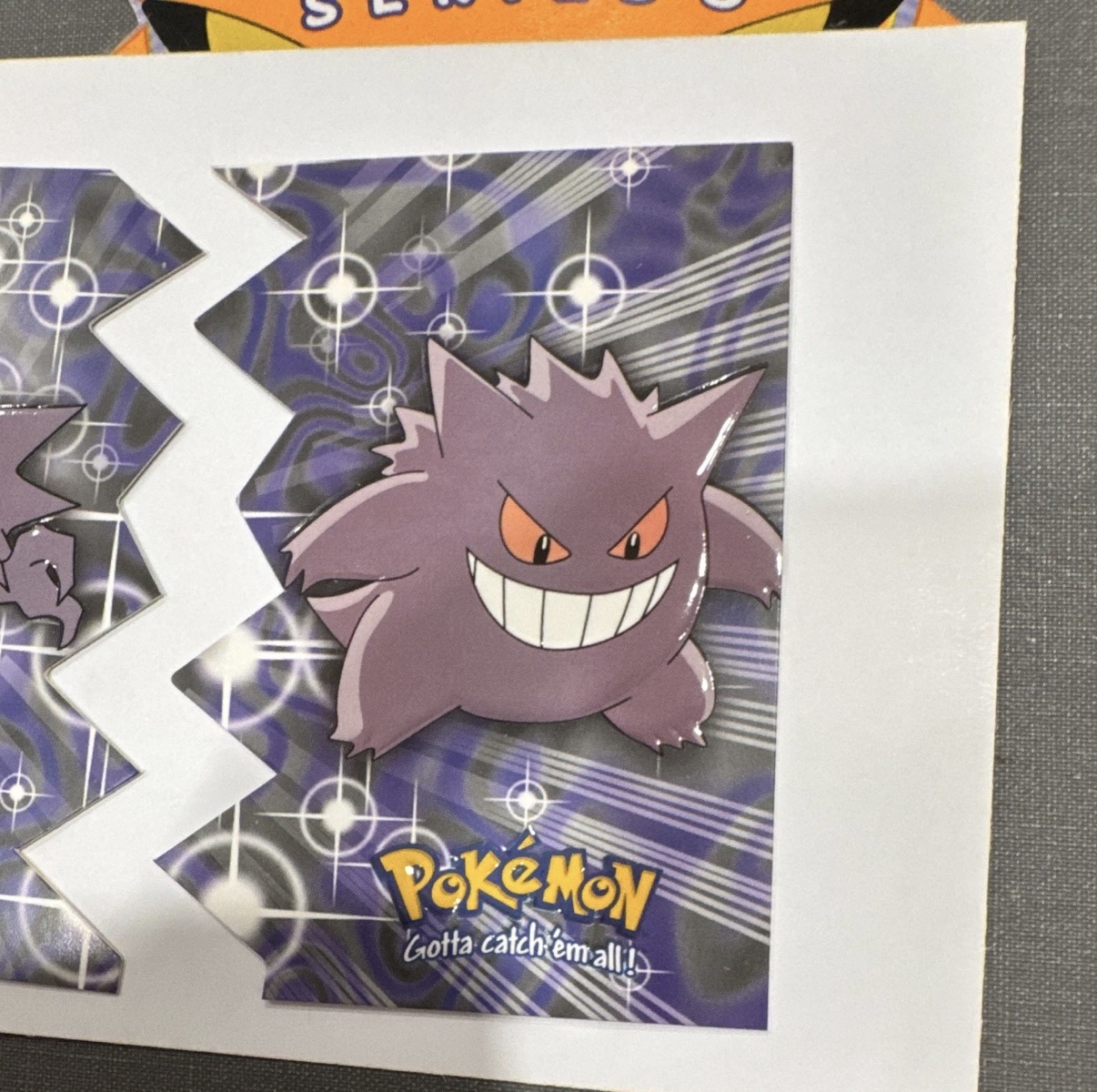
Gengar EV06 Topps Series 3 die-cut embossed card
EV06
Gengar
43 graded — PSA population
The Pull Rate

One die-cut did not mean one Gengar.

Pulling a die-cut was already rare. Pulling the specific one you needed was a different problem entirely.

To pull any Series 3 die-cut ~1 in 12 packs
Possible EV cards (EV04 through EV15) 12 cards
For one specific die-cut, assuming even distribution ~1 in 144 packs

Pull-rate estimate sourced from collector analysis. Bulbapedia supports the 12-card die-cut embossed Evolution chase structure.

Design

Designed against preservation.

A rectangle has four sides. This line has points, notches, exposed corners, gloss, embossing, and interlocking edges. Every cut is another place a grader can punish.

Survival Rarity

Rarity compounds after the pull.

The chase is not just finding the card. It is finding one that survived every step.

Pulled
Avoids pack damage
Avoids handling wear
Survives 26 years
Gets graded
PSA 10
0
PSA 10s across the tracked Gastly · Haunter · Gengar line

Not zero available for sale. Zero in the tracked PSA population. Refresh against PSA before publication.

Population

The population report tells the story.

Tracked PSA population, all grades combined.

22
Gastly EV04 — PSA population
21
Haunter EV05 — PSA population
43
Gengar EV06 — PSA population
The Registry

The collection is already a registry.

Updated count from the current BIG GHOUL GENGAR registry.

43
Physical cards across the line
15
Gastly copies
9
Haunter copies
19
Gengar copies
11
PSA or CGC graded copies
$6K+
Invested into this line

Counts from updated workbook: Gastly 15, Haunter 9, Gengar 19. Graded total 11.

Sources

Source-backed spine.

What Bulbapedia supports, what the collector registry supports, and what needs refreshing before posting.

Bulbapedia Pokémon Trading Cards Series 3: 2000 Topps release, 72-card set, 27 bonus chase cards, 12 die-cut embossed Evolution cards.
Bulbapedia checklist EVO4 Gastly, EVO5 Haunter, and EVO6 Gengar appear in the die-cut embossed Evolution chase run.
Collector registry Current holdings, purchase history, PSA/CGC counts, population tracking, and pull-rate estimate.
Refresh before publishing PSA population, CGC population, active listings, pack pricing, and any claimed "only known" gem-mint status.

Primary public source: bulbapedia.bulbagarden.net

Sometimes rarity is not created by intention.
Sometimes it is created by survival. SEBIV — Documenting overlooked rarity